
Want to attract more wildlife to your garden with almost no effort? A simple log pile can provide shelter, food, and a thriving habitat for everything from insects to birds – and it doesn’t have to cost you a thing. In this guide, we’ll cover why log piles are so beneficial, which creatures they attract, and how to build one, even in small spaces.

What Are Log Piles?
Log piles are collections of dead wood, such as branches, logs, and twigs, intentionally arranged to provide shelter, food, and breeding habitats for various wildlife species. These habitats mimic natural environments like fallen trees or rotting wood in forests, offering refuge for countless organisms.
A well-placed log pile can be an ecological haven, supporting insects, mammals, amphibians, reptiles, fungi and other decomposers, birds, and detritivores such as earthworms. By assembling these wood habitats, you create mini-ecosystems and make both your own garden and the surrounding area more biodiverse.
Different Types of Log Piles and Wood Habitats
There are many ways to create a log pile, each catering to different wildlife species and ecological purposes. Below are some examples:
- Organized Log Piles: Stack logs neatly to create crevices for small animals like amphibians and invertebrates. These piles are stable and can last longer, making them particularly appealing for species needing secure hiding spots. Organized log piles are ideal for structured gardens and for providing long-term shelter.
- Haphazard Log Piles: Simply pile logs, branches, and twigs without a specific structure. This mimics a natural forest floor and is perfect for insects and small mammals that thrive in chaos. Beetles, spiders, and ground-dwelling creatures that prefer irregular environments will love this type of log pile.
- Sunny Log Piles: Place logs in a sunny spot to attract reptiles, such as lizards. They enjoy basking in the heat. Logs that have dried in the sun will also attract solitary wild bees that use cracks in the wood for nesting. This placement not only supports reptiles and pollinators, but also warms the habitat for faster decomposition.
- Shady Log Piles: Logs left in shaded, damp areas encourage the growth of fungi, which aids decomposition, and provide homes for moisture-loving amphibian species like frogs and newts.
- Partially Buried Logs: Bury parts of the logs in soil to benefit beetles and other detritivores that thrive on decaying wood below ground. This method mimics natural woodland decomposition and supports soil health.
- Standing Deadwood: If you have to take down trees, leave as large a stump as possible upright to attract nesting birds, bats, and wood-boring insects. A stump that’s tall enough to have some crevices from where the boughs were will provide better nesting sites for birds and bats. This is perfect for larger gardens where vertical structures can enhance biodiversity.
- Rotting Wood: Use logs that are already partially decayed, so that you support an advanced stage of decomposition. This soft wood is a rich food source for fungi, beetles, and other decomposers.
- Small Branch and Twig Piles: Ideal for smaller spaces, these piles cater to insects and provide nesting material for birds. Read the section “Woodpile Habitats for Smaller Spaces” for tips if you don’t have a garden, but have a balcony or windowsill you want to utilise for insects. These piles are also really easy to find materials for and even easier to assemble.
- Layered Log Piles: Create layers of logs, interspersed with soil, leaves, or bark. This design provides a variety of microhabitats for different species. This way, you maximize the use of available space while supporting diverse wildlife.
- Natural Decay Piles: Let fallen branches and wood from pruning naturally decompose where they land, mimicking the natural process. This requires minimal effort while being highly effective for fostering biodiversity.
Why Are Log Piles Important for Wildlife?
Log piles play a critical role in supporting ecosystems. This is why they matter:
- Shelter: They provide hiding places and safe havens for wildlife such as insects, frogs, and hedgehogs. Read my post about hedgehog habitats to optimize your garden for visiting or hibernating hedgehogs.
- Breeding Grounds: Many species use deadwood as a place to lay eggs or raise their young.
- Food Source: Rotting wood feeds fungi and detritivores, which in turn support larger predators like birds and amphibians. This is why you’ll see more of birds and amphibians even if they themselves don’t use the log piles for shelter or breeding.
- Ecosystem Balance and Gardening Benefits: By breaking down organic matter, log piles recycle nutrients into the soil and help maintain a healthy garden. When wood rots, it releases nutrients that benefit the plants in your garden as well as animals and fungi. For that reason, don’t replace wood when it starts to rot. Let everything decompose fully to maximize the benefits.
Types of Animals Log Piles and Dead Wood Attract
By increasing the number of wood habitats in your garden, you will not only provide shelter and food for tiny creatures, but you will also get to enjoy watching more birds, and maybe even encounter some frogs, hedgehogs, wood mice or bats.
The table below outlines some common types of animals you can attract to your garden, and which type of wood habitats they prefer. You can aim for one wildlife class you’d love to see more of, or plan which types of log piles and other dead wood habitats you want in different parts of your garden depending on where you’d like to attract which animals.
It’s also good to note which wood habitats might attract species you’re not too fond of, so that you can avoid having those in areas you spend a lot of time.
| Animal | Wood Habitat |
| Bats | Crevices in decaying stumps or between stacked logs |
| Birds | Nesting in hollow logs or standing deadwood |
| Frogs, Toads, Snails, Slugs, Centipedes, Some spiders | Shady, damp piles of logs and branches |
| Beetles, Woodlice, Millipedes | Soft, rotting wood that’s damp and partially buried |
| Lizards, Bees, Ants, Some spiders, Wood mice | Sunny, dry log piles |
| Hedgehogs | Large, undisturbed piles for shelter, hibernation, and foraging |
| Worms and Detritivores | Partially buried logs for a mixture of soil and damp, rotting wood |
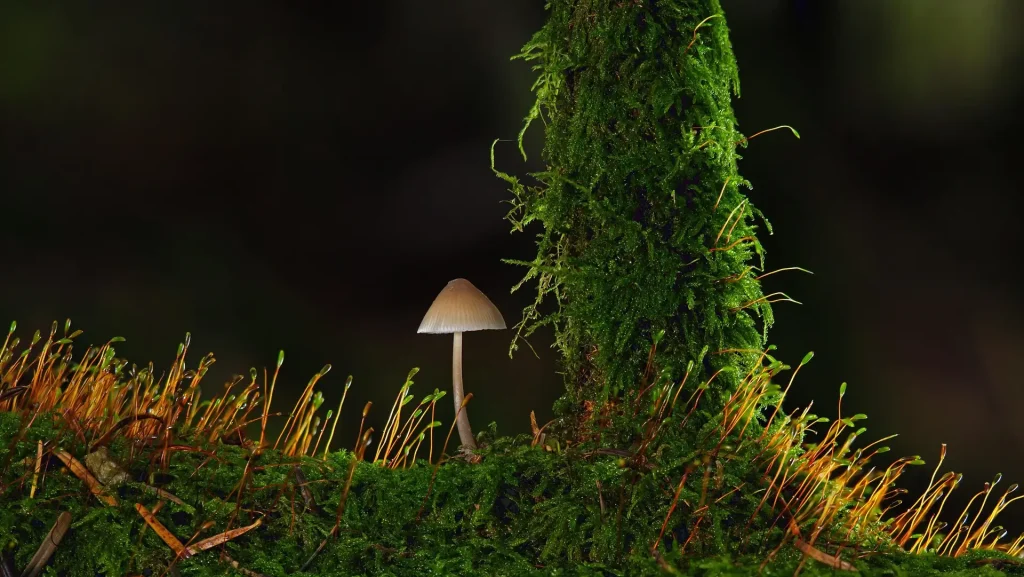
As a bonus, you will most likely get to see fungi and beautiful moss on any decaying wood, but especially if it’s shady and damp. These little environments can really spark your imagination and make you appreciate the little details in nature. Why not try to imagine yourself as one of the tiny creatures in these environments?
Why You Should Build a Log Pile in Your Garden
Creating a log pile in your garden is a simple and effective way to boost biodiversity. It not only provides vital resources for wildlife but also enriches your outdoor space. By attracting species such as birds, frogs, and hedgehogs, you’ll enjoy observing their behaviours while playing a role in conserving local ecosystems.
Supporting biodiversity is essential for maintaining balanced environments, ensuring pollination, and fostering natural pest control. Building a log pile is an easy, impactful step towards helping nature thrive.
Safety Tips Before You Start Building Your Log Pile
At all times during the process and afterward, ensure the pile is stable to prevent collapse. Especially if children or pets frequent the area.
If you have any cuts or scratches on your hands, make sure to use gardening gloves and perhaps cover the cuts with band-aids as well to be on the safe side. We don’t want you to get an infection from dirt or debris getting into the wound when you’re digging in soil and handling logs. Durable gloves will also prevent new cuts or splinters from rough bark or broken twigs. If you don’t already have gardening gloves, consider these eco-friendly gloves.
Handle pests like wasps or ants cautiously to avoid stings and bites. Gloves may help with this as well.
Urban vs. Rural Considerations For a Log Pile
In urban gardens, focus on compact designs like smaller stacks or layered piles to fit limited space. If there are rodent problems in your area, place the wood as far away from your home as possible.
Urban and modern gardens may not have as much dead wood laying around as you would have naturally in a bigger garden with lots of trees and shrubbery that need pruning and lopping. Native wood is best, but pre-cut untreated logs are a great alternative when creating wildlife-friendly habitats.
If you live in a rural area, experiment with larger piles, standing deadwood, or partially buried logs to maximize habitat options. Utilise your space and add as many different types of log piles and wood habitats as you can.
How to Build a Log Pile
Follow these steps to create a log pile that is safe, effective, and tailored to your garden:
- Choose a Location
- Sunny Spot: Attract reptiles and solitary bees.
- Shady Spot: Ideal for frogs, toads, fungi, and moss.
- Damp Ground: Encourages detritivores and decomposers.
- Select Materials
- Use untreated wood, as chemicals can harm wildlife and untreated wood decays faster, providing a quicker food source for decomposers.
- Include a mix of logs, branches, and twigs for diversity.
- If you’re going to be fencing or landscaping anyway, opt for natural untreated wood to maintain an eco-friendly environment and derive some of the same benefits you get from log piles.
- Prepare the Area
- Clear the ground where you plan to build.
- Consider the size and stability of the pile, especially in urban settings where space may be limited.
- For partially buried logs, dig into the ground as deep as you like. For a snug and secure fit, measure with the logs to ensure the hole is as wide as the pile will be. A reliable spade can make digging easier and more efficient.
- Arrange the Logs
- Stacking Method: Create stable stacks with crevices for shelter. It’s common to stack logs in a pyramid shape.
- Haphazard Method: Pile materials loosely for a natural, lovely look. Keep in mind that this won’t provide as much shade and might not attract as much wildlife as a concentrated stack.
- Add Variety
- Incorporate partially decayed logs to attract detritivores.
- Leave gaps and spaces for animals to nest or hide.
- If you have to clear away leaves from some areas of your garden in the autumn, collect those leaves and place them around the log pile to give the detritivores a great area to live with lots of food.
- Encourage shade-loving plants to grow around or over your log pile. Primroses and ferns can make your dead wood habitat look more attractive, while providing wildlife with extra shelter.
- Maintain the Pile
- Allow it to decay naturally without disturbing it too often.
- Add fresh logs and branches periodically to ensure long-term use, while leaving the original logs to continue decomposing.
Woodpile Habitats for Smaller Spaces
Even if you have limited outdoor space, you can still create a wood habitat. Here are some ideas:
- Twig Bundles: Tie small bundles of twigs together and place them in a shady corner.
- Flowerpot Habitats: Fill an upturned flowerpot with sticks, leaves, and soil to create a compact habitat for insects.
- Mini Log Piles: Use a few small logs or branches stacked in a planter box or balcony corner.
- Rotting Wood in Containers: Add partially rotted wood to a container filled with soil for detritivores.
- Leaf and Bark Layers: Layer leaves, bark, and twigs in a small pile to mimic forest-floor habitats.
- Hanging Log Bundles: Suspend small bundles of logs or branches from a balcony railing to create vertical habitats for insects and small birds.
- Repurposed Wooden Boxes: Use old wooden crates or boxes, fill them with deadwood, and place them in a shaded area.
- Decorative Designs: Arrange twigs and logs in aesthetically pleasing patterns or in pots to create a habitat that doubles as garden decor. For balconies or patios, you can use decorative planters.
Combining Log Piles with Other Wildlife-Friendly Features
To maximize the impact of your log pile, integrate it with other garden features that support wildlife. Here are some ideas:
- Ponds: Place your log pile near a pond to create a combined habitat for amphibians, insects, and birds.
- Wildflower Patches: Surround the log pile with native wildflowers to attract pollinators and provide additional foraging opportunities.
- Hedgerows: Position the log pile at the base of a hedgerow to connect habitats and create corridors for wildlife.
- Rock Gardens: Combine the pile with rocks and stones to offer basking spots for reptiles and create a layered habitat.
- Compost Areas: Place the log pile near a compost heap to encourage nutrient recycling and provide even more food for decomposers.
When you combine these features, you create a garden that’s not just biodiverse but also resilient, supporting a wide variety of species throughout the year. Imagine all the animals you’ll hopefully get to see! At night, keep an eye out for wood mice, hedgehogs, and frogs by shady woodpiles, while enjoying the buzz of solitary bees and fluttering birds during sunny days.
By following these steps, you can make a meaningful contribution to wildlife conservation and biodiversity while simply enjoying getting to see more animals just outside your home. If you found this guide helpful, share it to inspire others to create their own log piles and support local ecosystems.
